Eye Care
If you have never heard of cataracts, let us tell you that it is one of the most common eye conditions affecting millions of people worldwide. They occur when the natural lens of the eye becomes cloudy, leading to blurred vision, difficulty seeing at night, and sensitivity to light. While aging is the primary cause, cataracts can also develop due to diabetes, prolonged exposure to sunlight, eye injuries, or certain medications.
The good news is that modern advancements in ophthalmology have made cataract removal highly safe and effective. With laser eye surgery and cataracts, patients can regain clear vision and improve their quality of life. In this blog, we’ll explore what cataracts are, how cataract treatment works, and why laser surgery is becoming the preferred option for many patients.
What Are Cataracts?
Lets understand it with a simple example- The lens inside your eye works like a camera, focusing light onto the retina to produce sharp images. A cataract forms when this lens becomes cloudy or opaque, preventing light from passing through properly. The condition develops gradually and can affect one or both eyes.
People with cataracts often notice blurred or hazy vision, difficulty seeing at night, sensitivity to bright lights or glare, fading or yellowing of colors, and frequent changes in prescription glasses. While early-stage cataracts can sometimes be managed with stronger lenses or improved lighting, surgery is the only definitive solution to restore clear vision.
Traditional Cataract Treatment
Cataract treatment typically involves removing the cloudy lens and replacing it with an artificial intraocular lens (IOL). Traditional cataract surgery has been highly successful for decades, using small incisions and ultrasonic energy to break up and remove the lens. The procedure is safe, with a high success rate, and patients usually notice improved vision within a few days.
However, traditional methods have limitations. They rely on manual precision, which can sometimes lead to variability in outcomes. Recovery may also take slightly longer, and patients may experience more post-operative discomfort compared to laser-assisted procedures.
How Laser Eye Surgery Enhances Cataract Treatment
In recent years, laser eye surgery and cataracts have revolutionized treatment. Laser-assisted cataract surgery uses a highly precise femtosecond laser to make incisions, soften the lens, and correct astigmatism if needed. This advanced technology allows surgeons to perform the procedure with greater accuracy and safety.
Benefits of laser-assisted cataract surgery include:
- Enhanced precision for making corneal incisions and lens placement
- Reduced risk of complications due to less manual handling
- Faster recovery and minimal post-operative discomfort
- Customized treatment that can correct pre-existing conditions like astigmatism
Laser-assisted surgery is particularly helpful for patients with complex cataracts or other eye conditions, combining the proven effectiveness of traditional surgery with the precision of modern laser technology.
Who Can Benefit from Laser-Assisted Cataract Surgery
Most patients with significant vision impairment due to cataracts can benefit from laser eye surgery and cataracts. Ideal candidates are generally over the age of 50, in good overall eye health, and seeking precise, advanced treatment to reduce post-operative dependency on glasses.
A detailed eye examination is essential to determine candidacy. Your ophthalmologist will assess the severity of your cataract, the shape and thickness of your cornea, and discuss the most suitable intraocular lens for your vision needs.
The Procedure: What to Expect
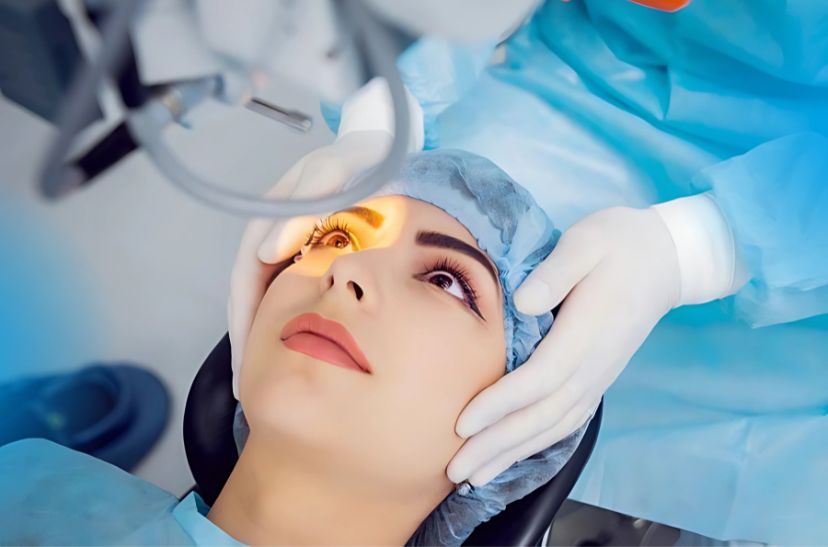
Laser-assisted cataract surgery is an outpatient procedure, usually completed within 30–45 minutes. Before the surgery, your doctor will dilate your pupils and apply numbing drops to ensure comfort. The femtosecond laser creates precise corneal incisions and softens the cataract. The surgeon then removes the cloudy lens and inserts the artificial intraocular lens.
During recovery:
- Most patients notice immediate improvement in vision
- Full healing typically occurs over several weeks
- Post-operative eye drops help prevent infection and reduce inflammation
Advantages Over Traditional Cataract Surgery
While traditional cataract surgery is highly effective, laser-assisted surgery offers unique advantages. It allows enhanced precision in cutting and lens placement, corrects minor refractive errors simultaneously, reduces trauma to the eye, and minimizes the risk of complications such as corneal swelling or uneven incisions.
Preparing for Cataract Surgery
Preparation for cataract treatment is straightforward but crucial. Patients are advised to schedule a comprehensive eye examination, discuss their medical history and current medications, and avoid wearing contact lenses before the procedure as instructed by the doctor. Arranging transportation on the day of surgery is also recommended, as patients cannot drive immediately afterward.
Tips for a smooth surgery day:
- Follow your surgeon’s instructions carefully regarding food, medications, and eye care
- Make sure to have someone accompany you to and from the clinic
- Keep all pre-operative documents and prescriptions handy
Post-Operative Care and Recovery
Proper care after cataract treatment is essential to maintain eye health and achieve the best results. Patients should use prescribed eye drops, avoid rubbing or pressing on the eyes, and limit strenuous activities, swimming, or dusty environments for a few weeks. Attending all follow-up appointments allows your doctor to monitor healing and make any necessary adjustments.
Most patients experience improved vision almost immediately, with full stabilization over several weeks. Many can reduce or eliminate their dependence on glasses or contact lenses entirely.
Choosing the Right Cataract Specialist
Selecting an experienced ophthalmologist is key to successful cataract treatment. Look for a doctor who has extensive experience with laser-assisted surgery, uses advanced diagnostic and laser technology, and provides personalized treatment plans tailored to each patient. Proper pre- and post-operative care is equally important to ensure a smooth recovery and optimal outcomes.
Final Thoughts
Cataracts can significantly impact your quality of life, but modern medical advancements have made treatment safer, faster, and more precise than ever before. Laser eye surgery and cataracts offer a revolutionary way to restore clear vision, reduce dependency on glasses, and correct pre-existing vision issues.
If you or a loved one are experiencing blurred vision or difficulty with daily activities, consulting an experienced ophthalmologist for cataract treatment is the first step toward better eyesight. Early evaluation and timely intervention can dramatically improve vision and enhance your overall quality of life.
Book Appointment