Eye Care
Did you know? Cataracts are one of the most common causes of vision loss worldwide, especially as we age. The good news? Modern medical technology has made cataract removal simpler, faster, and safer than ever. Today, laser-assisted techniques have transformed eye care, helping patients regain crystal-clear vision within days.
If you’re searching for the best clinic for cataract surgery, understanding how laser eye surgery for cataracts works and what to expect can help you make the right choice.
Understanding Cataracts and Their Impact on Vision
A cataract is a cloudy area that forms on the lens of your eye, causing blurred or dimmed vision. Over time, it can interfere with daily activities like reading, driving, or recognizing faces. The condition typically develops with age but can also result from diabetes, prolonged sun exposure, or even certain medications.
When glasses or contact lenses can no longer correct vision, laser eye surgery for cataracts becomes the most effective solution.
What Is Laser Eye Surgery for Cataracts?
Traditional cataract surgery involves using ultrasound waves to break and remove the cloudy lens before replacing it with a clear artificial lens (called an intraocular lens or IOL). Laser cataract surgery, however, takes precision to a whole new level.
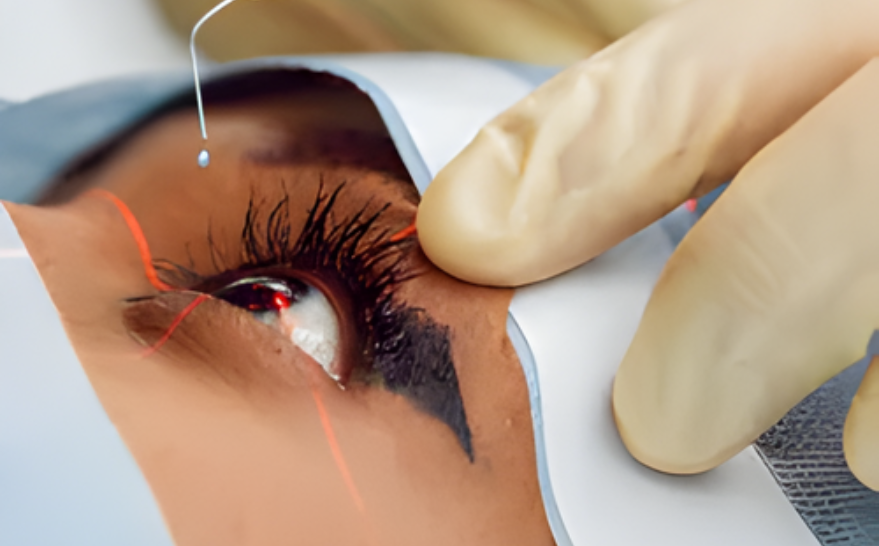
In laser eye surgery for cataracts, a femtosecond laser is used to perform several key steps of the procedure with unmatched accuracy. The laser creates precise incisions, softens the cataract for easier removal, and even assists in correcting astigmatism. Because of its precision, laser surgery often leads to quicker recovery and more predictable visual outcomes.
This advanced method is sometimes referred to as laser eye surgery and cataracts treatment, combining traditional surgical safety with cutting-edge technology.
Let’s be honest, any eye surgery can sound intimidating. But laser-assisted cataract surgery has simplified the process and significantly improved patient comfort. Here’s why many people now prefer it:
- Higher Accuracy: The laser creates perfectly shaped incisions, which means the artificial lens is positioned with greater precision.
- Less Invasive: It uses minimal energy, causing less stress on the eye and speeding up healing.
- Better Visual Results: Many patients report sharper vision and fewer visual disturbances after surgery.
- Astigmatism Correction: The laser can also correct mild astigmatism, reducing the need for glasses after surgery.
In short, laser eye surgery for cataracts offers precision and comfort that traditional methods can’t always match.
How to Find the Best Clinic for Cataract Surgery
Choosing where to have your cataract surgery is one of the most important health decisions you’ll make. The best clinic for cataract surgery will combine advanced technology, experienced surgeons, and personalized patient care.
When comparing clinics, look for:
- Expertise:Ensure the ophthalmologists are trained in laser-assisted cataract surgery and have a proven success record.
- Technology:The clinic should have modern equipment like femtosecond laser systems and premium lens options.
- Comprehensive Care: From pre-surgery evaluation to post-surgery recovery, good clinics provide end-to-end support.
- Patient Experience:Read testimonials or talk to past patients to learn about their experience and satisfaction.
- Safety and Hygiene:Certified facilities that follow strict sterilization protocols ensure a worry-free surgery.
Remember, your eyes deserve the best. A slightly higher investment in a trusted clinic often means smoother surgery and long-lasting vision clarity.
What Happens During Laser Cataract Surgery?
If you’ve never had eye surgery before, the idea can feel overwhelming. But knowing what to expect helps ease the nerves.
The process usually begins with a detailed eye examination and lens measurement. On the day of surgery, the doctor will use numbing drops, so you won’t feel pain, only mild pressure.
The laser then creates precise incisions and breaks up the cloudy lens, which is gently removed. A clear artificial lens (IOL) is inserted in its place. The entire procedure takes around 15–20 minutes per eye, and most patients return home the same day.
After surgery, your doctor will prescribe eye drops to prevent infection and promote healing. You’ll likely notice clearer vision within 24–48 hours, a moment that many describe as life-changing.
Laser Eye Surgery and Cataracts: Are You a Good Candidate?
Not everyone is immediately eligible for laser cataract surgery. Your doctor will assess your eye health, corneal thickness, and lens condition. People with certain eye diseases or very dense cataracts may need a different approach.
That’s why consulting the best clinic for cataract surgery is crucial, specialists can determine the safest and most effective treatment for your specific condition.
Recovery and Aftercare Tips
The recovery from laser eye surgery for cataracts is typically quick, but following your doctor’s advice ensures lasting results. Avoid rubbing your eyes, heavy lifting, or exposure to dust for at
least a week. Attend your follow-up appointments regularly and use prescribed eye drops as directed.
Most patients notice a dramatic improvement in vision within a few days, and the full benefits are usually visible within a few weeks.
Frequently Asked Questions
1. Is laser cataract surgery completely safe?
Yes. When performed by skilled ophthalmologists at a reputed clinic, it’s one of the safest eye procedures available today.2. How long does the effect of surgery last?
The artificial lens used during cataract surgery is designed to last a lifetime.3. Can both eyes be treated together?
Generally, surgeons operate on one eye at a time, allowing the first to heal before scheduling the next.
Conclusion
When it comes to your eyesight, don’t settle for less. The best clinic for cataract surgery will not only offer cutting-edge laser technology but also compassionate care that puts your comfort first.
Laser eye surgery for cataracts has made vision restoration quicker, safer, and more effective than ever. So if blurry vision is holding you back, it might be time to take that step toward clear, confident sight, and trust your eyes with experts who truly care.
Book Appointment